

From Seed to Smoke: The Origins, Anatomy, and Regions of Premium Cigars
Every premium hand-rolled cigar is the product of centuries of agricultural tradition, meticulous craftsmanship, and a deep understanding of tobacco leaf. Before you light one, it’s worth knowing something about the journey that brought it to your hand—from the ancient roots of the practice to the specific soils and climates that shape how it tastes.
For collectors and enthusiasts exploring premium cigars Hong Kong, understanding where a cigar comes from — literally, from seed to smoke — changes how you experience every draw. It elevates smoking from a simple, relaxing habit into a conscious appreciation of the land, the weather, and the human hands involved in its creation.
“Understanding where a cigar comes from — literally, from seed to smoke — changes how you experience every draw.”

A Brief Cigar History: Where Cigars Come From
The practice of smoking rolled tobacco leaves stretches back thousands of years in Mesoamerica and the Caribbean, long before Europe knew tobacco existed. Archaeological evidence shows that the ancient Maya smoked tobacco wrapped in plantain or palm leaves. The modern word "cigar" descends from the Mayan word sikar — meaning, essentially, to smoke rolled tobacco leaves.
 The deep historical roots of traditional tobacco cultivation.
When Christopher Columbus arrived in Cuba in November 1492, two of his crew members — Rodrigo de Jerez and Luis de Torres — went inland and became the first Europeans to observe the indigenous Taíno people smoking rolled bundles of dried tobacco leaves. The Spanish translated the word for the plant and pipe as tabaco, but the Taíno name for the rolled bundle itself was cohiba — a word that remains synonymous with premium cigars to this day.
Rodrigo de Jerez brought the habit back to Spain, and Spain quickly established itself as the center of early cigar culture, developing a royal manufacturing monopoly that dominated the trade for generations. By the 19th century, cigar smoking had evolved from an exotic colonial curiosity into a refined symbol of luxury and leisure across Europe and North America.
The manufacturing processes have modernized since then — but the core tradition of hand-rolling 100% natural tobacco leaves has remained essentially unchanged. If you want the deeper story of how that tradition took root in Cuba specifically, our guide to the rich history of Cuban cigars picks up exactly where this leaves off.
The Anatomy of a Cigar
Every premium, hand-rolled cigar is built entirely from natural tobacco leaves. No paper, no chemical adhesives, no artificial additives of any kind — just three distinct layers of leaf, each chosen for a specific purpose: the wrapper (capa) on the outside, the binder (capote) beneath it holding everything together, and the filler (tripa) at the core.
The Wrapper (Capa): The wrapper is the outermost leaf. Because it must be visually flawless, wrapper leaves are grown under highly controlled conditions, often beneath large cheesecloth canopies called tapados that filter direct sunlight. Depending on the size of the cigar, it contributes 60% to 80% of the overall flavor profile.
The Binder (Capote): Directly beneath the wrapper sits the binder — a tough, elastic leaf wrapped tightly around the filler tobaccos. Its primary purpose is structural, but binder selection also matters for combustion to ensure a stable, well-behaved smoke.
The Filler (Tripa): Primings and Fortaleza
The center of every premium cigar contains a carefully curated blend of leaves drawn from different tiers of the tobacco plant — known as primings — each contributing a different quality to the finished smoke. The tobacco world classifies these by strength level, or Fortaleza:
- Volado (Fortaleza 1): The bottom leaves of the plant, receiving the least sunlight and producing the mildest flavor. Volado is prized above all for its excellent combustibility.
- Seco (Fortaleza 2): The lower-middle leaves, which contribute the core aroma and the dry, woody characteristics that form the backbone of a cigar's flavor.
- Viso: The middle leaves, exposed to moderate sunlight and rich in natural oils. Viso sits between Seco and Ligero, offering an important bridge of flavor and complexity.
- Ligero (Fortaleza 3): The upper leaves, which absorb the most direct sunlight. Thick, dark, and slow-burning, Ligero contributes robust strength, body, and spicy notes.
- Medio Tiempo (Fortaleza 4): The rarest priming of all: the very top two leaves of select sun-grown plants. They deliver unparalleled power, depth, and richness, reserved for elite Limited Edition cigars.

The Craft of the Roller: Inside La Galera
The rolling room — known as La Galera — is where the components become a finished product. The premium cigar world recognizes two main rolling philosophies, each reflecting a different tradition.
In the Cuban Method (Totalmente a Mano), a single master artisan — the Torcedor — handles the entire process from start to finish. The head is finished with a triple cap — three precisely overlapping layers of wrapper leaf.
In the New World Method (Team Rolling) favored in factories across Nicaragua, Honduras, and the Dominican Republic, rolling is divided between two specialists. The Bonchero creates the bunch before it is mold-pressed and draw-tested, and the Rolero applies the outer wrapper.

The Tools of the Trade
Regardless of method, every artisan works with the same traditional tools: a solid wooden board (tabla), a crescent-shaped blade (chaveta) for trimming, a small circular punch (casquillo) for cutting the cap, and a tasteless, odorless vegetable gum (goma) to seal the wrapper's edge.


Once rolled, a cigar's journey isn't over — it still needs to rest and age under the right humidity before it reaches its full potential, which is exactly what a properly maintained humidor is built for.
The World's Premier Tobacco Regions
Like wine, tobacco is profoundly shaped by its terroir — the specific combination of soil chemistry, altitude, climate, and humidity where it was grown. A handful of regions have earned a global reputation for producing exceptional cigar leaf, each with its own unmistakable character.
Cuba: Cuba is the historic birthplace of premium cigars. The island's rich, red volcanic soil — particularly in the world-famous Vuelta Abajo region of Pinar del Río province — produces tobacco with an unmatched complexity. Cuban cigars are known for a smooth, earthy richness layered with floral and lightly salty notes.
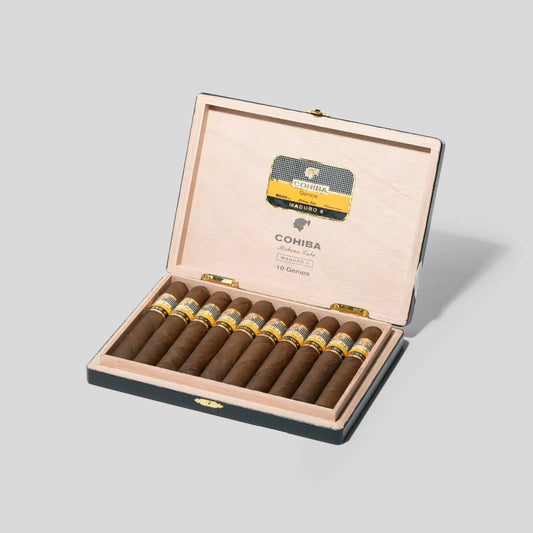
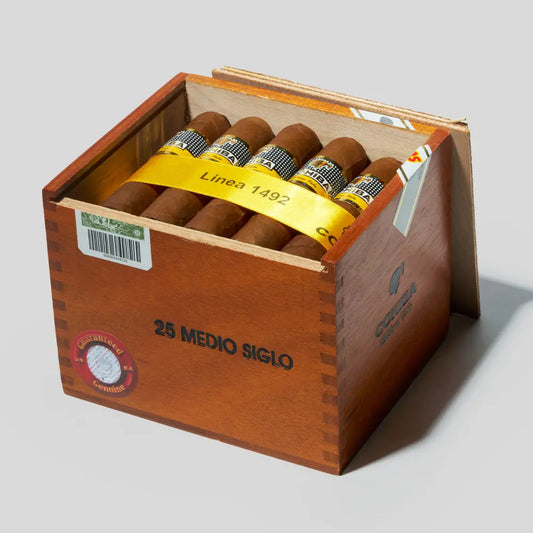
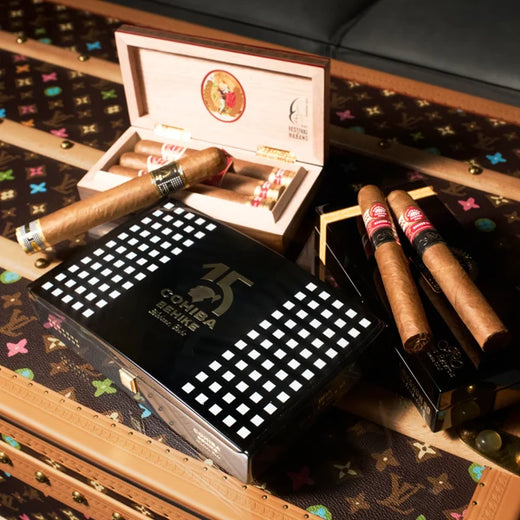
New to the category? Our best Cuban cigars for beginners guide is the right place to start, and browsing Cohiba cigars in Hong Kong is a good way to see Vuelta Abajo tobacco at its most refined.
 Dominican Republic, Nicaragua & Honduras: The New World Powerhouses.
Dominican Republic, Nicaragua & Honduras
The Dominican Republic: Built a global reputation for producing some of the most elegant and approachable cigars in the world. The fertile Yaque Valley yields leaves with a naturally creamy, smooth character, balancing refinement with genuine complexity — a philosophy that brands like Davidoff have built their entire reputation on.
Nicaragua: One of the dominant forces in the premium cigar world, and its rise is directly tied to its volcanic soil. Estelí produces robust, deeply bodied leaves with pronounced pepper, while Jalapa contributes sweeter wrapper tobaccos, and Condega yields balanced, earthy filler leaves.
Honduras: Produces full-bodied, characterful tobaccos grown primarily in the scenic Jamastran Valley. Deep cocoa, heavy wood, and earthy notes are the hallmarks of Honduran leaf, making it a natural foundation for rich, traditional blends. If bold New World profiles appeal to you, our best New World cigars for beginners guide is a great next stop.
Frequently Asked Questions
What is the difference between long-filler and short-filler cigars?
Long-filler (tripa larga) uses whole, intact tobacco leaves running the full length of the cigar. This allows the blender to arrange different primings so that flavor develops progressively and the burn remains controlled. Short-filler (tripa corta) uses chopped tobacco scraps and stems, which burn faster and hotter, yielding an unstable ash and far less complexity.
Can a cigar contain tobaccos from more than one country?
Absolutely. A Puro is made entirely from tobaccos grown in a single country, such as a Nicaraguan Puro. However, many master blenders frequently combine leaves from multiple origins—such as an Ecuadorian wrapper over Dominican and Nicaraguan fillers—to create a unique balance of flavor that no single country could achieve alone.
How does soil actually affect what I taste?
Tobacco roots absorb minerals directly from the soil, altering the leaf's chemistry. Nicaragua's iron-rich volcanic earth produces signature peppery note profiles. The sandy soils of Connecticut yield mild, creamy, and woody characteristics that have made Connecticut wrappers a global benchmark, while the Dominican Republic's river valleys provide signature smoothness.
Taste the Full Story
Every premium cigar is a living testament to its origins. By understanding the intricate layers of its anatomy, the careful craftsmanship inside the rolling rooms, and the distinct characteristics governed by historical soil regions, you can transform every single draw into a deeply intentional, multi-layered narrative of taste.