

Choosing the Perfect Cigar Size for Your Smoking Style
Quick Answer
Choosing the right cigar size and ring gauge comes down to three things: how much time you have, how intense you want the flavor, and what feels comfortable in your hand. A ring gauge — measured in 64ths of an inch — determines smoke temperature and complexity. Cigar length dictates your smoking duration. A 5" x 50 Robusto suits a 45-minute break; a 7" x 47 Churchill is a two-hour ritual. Start with a 46–50 ring gauge if you're new, and experiment from there.
There is a moment every cigar enthusiast remembers — standing at a humidor, surrounded by dozens of shapes and sizes, and having absolutely no idea where to begin. The truth is, those physical dimensions are not just measurements. They are a blueprint for the entire experience you are about to have: the warmth in your hand, the complexity of your palate, and whether you will finish in one focused hour or two deeply relaxed ones.
This guide cuts through the confusion. By the end, you will know exactly how to choose the right cigar size and ring gauge to match your lifestyle, your palate, and your schedule — whether you are shopping in a boutique in Hong Kong or ordering from a trusted source online.
Ready to Find Your Perfect Smoke?
If you're a first-time buyer in Hong Kong or a seasoned collector looking to refine your humidor, Migratory Story's cigar specialists are here to guide every choice.


What Ring Gauge Actually Tells You (It's More Than a Number)
Ring gauge is one of the most misunderstood metrics in the cigar world. Simply put, it measures the diameter of a cigar in 64ths of an inch. A ring gauge of 64 equals exactly one inch — the full diameter. A Robusto at 50 ring gauge is 50/64 ths of an inch wide. Once you understand this, everything else falls into place.
But here is what really matters: ring gauge diameter in 64ths directly controls your burn rate and temperature. A thinner cigar — say, a Lancero at 38 ring gauge — forces the smoke through a narrow channel of tobacco. That tighter draw concentrates heat, delivering a more intense, wrapper-forward flavor experience. The wrapper leaf dominates, making every nuance of that outer leaf immediately apparent.
Flip that logic and a wider gauge, like a Gordo at 60+, does the opposite. The smoke passes through a cooler, broader pathway, drawing from multiple layers of filler tobacco simultaneously. The result is a rounder, mellower, more layered experience — what seasoned smokers describe as a cooler, less-concentrated draw where no single tobacco dominates but everything harmonizes.
This is the wrapper-to-filler ratio principle in practice. Thinner ring gauges amplify the wrapper's voice. Thicker ones let the full blend — filler, binder, and wrapper leaf — speak in unison.
Cigar Length in Inches: Matching Your Smoke to Your Schedule
If ring gauge controls flavor intensity, then cigar length in inches controls your time.
A standard Robusto at roughly 5 inches burns for around 45 to 60 minutes. A Churchill at 7 inches demands 90 minutes to two full hours.
Think of it as a Time-Flavor Correlation. Shorter cigars with smaller ring gauges deliver a quick smoke with heightened intensity. Longer cigars with moderate ring gauges offer extended relaxation.
If you have 30 minutes, reach for a Petit Corona. If you have an afternoon, a Churchill or Toro earns every minute.

Vitola Names Decoded: From Robusto to Figurado
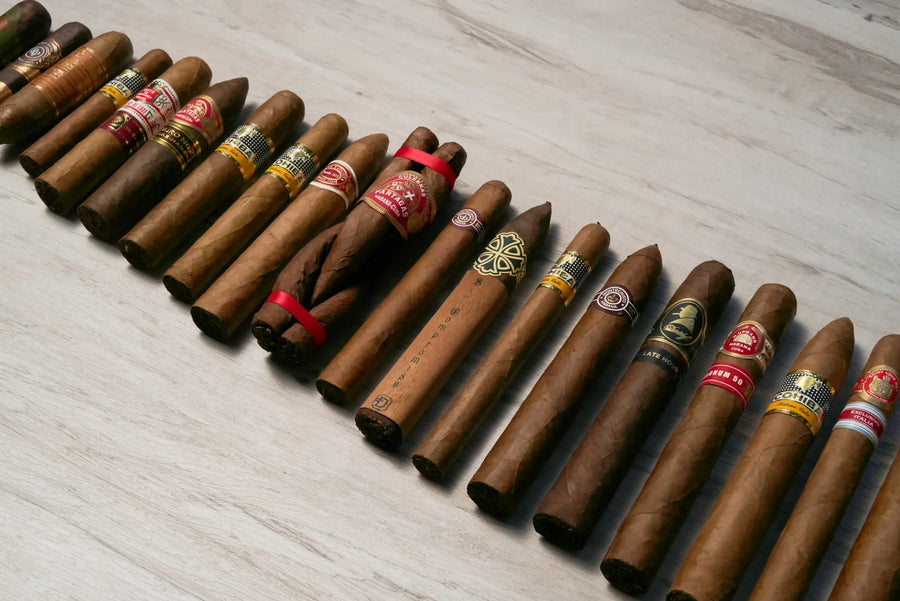
The cigar world uses a vocabulary all its own, and understanding vitola names is the key to navigating any humidor with confidence. Vitolas are the named size formats that define both the shape and proportions of a cigar, and they fall into two broad shape categories.
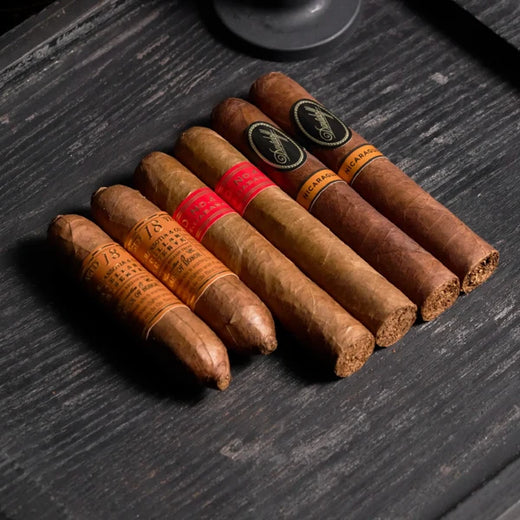
Parejos are straight-sided cigars — the classic cylinder from most people's picture. They include the Corona (5.5" x 42–44), one of the oldest and most respected formats for experiencing a blender's intended flavor profile. The Robusto (5" x 50) has become the most popular vitola worldwide, celebrated for its richness without demanding excessive time. The Toro (6" x 50) offers the same ring gauge with added length, giving blenders more room to develop complexity across the smoke. At the far end sits the Churchill (7" x 47), named in honor of Sir Winston Churchill's legendary habit — a cigar for those who treat smoking as a long, leisurely ritual rather than a pastime.
Figurados are tapered or irregular-shaped cigars that produce a very different burn dynamic. The most famous is the Torpedo or Belicoso, where the head tapers to a point. Because the foot of a Figurado is wider than the head, it starts with a broader, cooler draw that gradually concentrates as the coal moves up. Experienced smokers often describe Figurados as providing a complex, evolving smoke unlike anything a straight Parejo can offer.
The Lancero — a thin, elegant Parejo at roughly 7.5" x 38 — deserves its own mention. At this ring gauge, the wrapper leaf contributes an extraordinary proportion of the total flavor. If you want to truly evaluate the quality of a wrapper, the Lancero is your instrument.
The Beginner's Sweet Spot — and How to Graduate Beyond It
Every expert was once a beginner standing exactly where you are now. The cigar industry's best-kept secret for new smokers is deceptively simple: start in the middle.
A ring gauge between 46 and 50 with a length of 5 to 6 inches delivers a mellow start without overwhelming the palate, while still offering enough complexity to be engaging. The Robusto is the single most recommended beginner vitola for this reason, and it is widely available across most premium cigar collections. It is forgiving in terms of smoking pace, comfortable in the hand, and available across virtually every premium brand at every price point.
The "comfort and ergonomics" dimension also matters more than most guides admit. A 60-ring gauge Gordo is imposing — some new smokers find the sheer diameter physically uncomfortable to hold between their lips. Others love the substantial feel of a thick cigar. There is no universal right answer, which is precisely why starting with a moderate 50-gauge Robusto lets you discover your personal preference before committing to the extremes.
Once comfortable, graduate upward or downward with intention. Try the same blend — say, Cohiba vs Montecristo — in both a Robusto and a Lancero to experience firsthand how dramatically the ring gauge changes the flavor profile of identical tobacco.


How Size and Shape Interact With Cigar Construction
Understanding why size matters requires a brief look at what is actually inside a premium cigar. Every handmade cigar consists of three distinct components: the filler tobaccos at the core, the binder leaf that holds the bunch together, and the wrapper leaf — the outermost layer that contributes 30 to 60 percent of the total flavor.
When a master blender designs a Toro, they engineer the filler, binder, and wrapper leaf ratios specifically for that size. Move that blend to a slimmer Lancero format and the wrapper suddenly dominates in ways the blender may not have intended. This is why many top brands — including Cohiba and Montecristo — release multiple vitolas of the same blend, each subtly adjusted for its format.
Cigar construction quality also directly affects burn rate and temperature. An uneven roll creates hot spots where combustion accelerates; a too-tight pack smothers the draw. Both issues are amplified in smaller ring gauges. Investing in properly constructed premium cigars matters more at 38 gauge than at 60, where a minor imperfection in the roll has less structural impact on the draw.
Choosing Cigar Sizes for Hong Kong — Regulations, Culture, and Where to Shop
Hong Kong occupies a fascinating position in the global premium cigar market. The city's combination of discerning, cosmopolitan clientele and unique tax structures creates both opportunity and complexity for enthusiasts. Before exploring Hong Kong's cigar shopping destination scene, it is worth understanding the legal landscape.
If you have ever wondered are cigars allowed in Hong Kong, the answer is yes — but with specific regulations governing importation, duty payments, and designated smoking areas that are enforced seriously. Why are cigars so expensive in Hong Kong? Tobacco duties, retail rental costs in prime districts, and import logistics all compound to elevate pricing significantly above regional averages, which makes informed size selection even more financially important. Buying a vitola you end up not enjoying in Hong Kong carries a real cost.
For visitors or new residents, this is where personalized guidance from a knowledgeable retailer becomes invaluable. The right cigar specialist will match you to a size and blend suited to your experience level before you invest in a premium stick.

Quick-Reference Guide: Cigar Sizes at a Glance
To make choosing easier, here is a quick comparison of the most common cigar sizes, their dimensions, typical smoking time, and who they are best suited for.
| Vitola | Dimensions | Smoke Time | Flavor Profile | Best For |
|---|---|---|---|---|
| Petit Corona | ~5" x 40 | ~25–35 min | Intense, quick smoke | Beginners / time-pressed |
| Corona | 5.5" x 42–44 | ~40–50 min | Classic, balanced | Purists, any skill level |
| Robusto | 5" x 50 | ~45–60 min | Rich, concentrated flavor | Most popular daily smoke |
| Toro | 6" x 50 | ~60–75 min | Cool, layered experience | Intermediate–advanced |
| Churchill | 7" x 47 | ~90–120 min | Mellow, long-format | Weekend / leisure ritual |
| Gordo / Gigante | 6" x 60+ | ~90–120 min | Coolest draw, very mild | Thick-ring gauge lovers |
| Lancero | 7.5" x 38 | ~60–75 min | Wrapper-forward, intense | Experienced connoisseurs |
| Figurado | Varies | Varies | Complex, tapered burn | Advanced palates |


The Only Rule That Truly Matters: Experiment With Purpose
If you're ready to explore different cigar sizes and vitolas firsthand, browsing a curated selection can make experimentation easier. You can also check our current cigar special offers to discover premium options at exceptional value.
Every guideline in this article is a starting point, not a boundary. The most rewarding path through the cigar world is one of deliberate, curious experimentation. Try a Robusto in your preferred blend, then try a Lancero of the same tobacco. Sit with a Churchill on a slow Sunday and notice how the flavor profile evolves from the first inch to the last. Order a Figurado and pay attention to the way the taper shifts your draw as the cigar shortens.
Size and ring gauge are the variables you control. The experience — the intensity, the duration, the comfort, the flavor intensity — is the output. Once you understand the relationship between these dimensions and your sensory experience, choosing a cigar stops being guesswork and becomes genuine connoisseurship.
At Migratory Story, we believe the right cigar is the one that fits your life — your schedule, your palate, your moment. Whether you are exploring the foundations of cigar size and ring gauge for the first time or refining a collection built over years, the conversation always starts the same way: what are you looking for, and how can we help you find it?
🚬 Ready to Find Your Perfect Smoke?
Whether you're a first-time buyer in Hong Kong or a seasoned collector looking to refine your humidor, Migratory Story's cigar specialists are here to guide every choice. Drop us a message — we will reply as soon as possible.
Frequently Asked Questions
What is a good ring gauge for beginners?
A ring gauge between 46 and 50 is widely considered the ideal starting point. At this diameter, the smoke is cool enough to avoid overwhelming a new palate, the draw is forgiving of slower or faster puffing, and the format — typically a Robusto — is widely available across brands at various price points. Once comfortable, experimenting upward toward a 54-gauge Toro or downward toward a 42-gauge Corona reveals how dramatically the ring gauge shapes the experience.
Does a thicker cigar mean more nicotine?
Not necessarily. Nicotine content is primarily determined by the tobacco blend — the leaf types and their origins — rather than the physical size. However, a thicker ring gauge with more filler tobacco may deliver a fuller body if the blend itself is medium to full in strength. Ring gauge affects flavor concentration and burn temperature far more directly than nicotine delivery.
How long does a typical cigar take to smoke?
Smoking duration varies by vitola. A Petit Corona burns for approximately 25 to 35 minutes. A Robusto averages 45 to 60 minutes. A Toro sits at around 60 to 75 minutes, and a Churchill can extend to 90 minutes or longer. These times assume a relaxed, unrushed pace — puffing too frequently shortens the smoke and raises the temperature, degrading flavor intensity.
Are cigars allowed in Hong Kong?
Yes, cigars are legal in Hong Kong, but strict regulations govern where you can smoke them and how they are imported and taxed. Designated smoking areas are enforced, and tobacco duties make premium cigars noticeably more expensive in Hong Kong than in many other markets. Always check current local guidelines before purchasing or smoking in public spaces.
What is the difference between a Parejo and a Figurado?
A Parejo is a straight-sided cigar with a uniform diameter from foot to head — the Corona, Robusto, Toro, and Churchill are all Parejos. A Figurado refers to any cigar with an irregular or tapered shape, such as a Torpedo, Belicoso, or Pyramid. Figurados produce a changing draw as the cigar shortens, offering a more dynamic and complex smoke that many advanced enthusiasts prefer.
Why does the same blend taste different in different sizes?
The wrapper-to-filler ratio changes with the ring gauge. A thinner cigar concentrates the wrapper leaf's flavor, making it the dominant taste. A thicker cigar draws from a greater volume of filler tobaccos, diluting the wrapper's impact and allowing the full blend to come through. Master blenders often adjust the internal blend slightly for each vitola to account for these differences, which is why two sizes of the same line may taste subtly distinct.