


The Roaring Popularity of New World Cigars: Why Nicaragua, the Dominican Republic & Honduras Are Winning New Fans
From the Cuban embargo to bold new blends — the real story behind the rise of Nicaraguan, Dominican, and Honduran cigars, and why more smokers are reaching for them than ever.
Quick Take
After Cuba's cigar factories were nationalized in 1960 and the U.S. embargo followed, exiled Cuban cigarmakers rebuilt the industry abroad — in Honduras and Nicaragua in Central America, and in the Dominican Republic in the Caribbean. Today these "New World" cigars have become genuine rivals to Havanas, thanks to bolder design and packaging, major gains in tobacco quality and blending, and a wider range of flavors and price points that meet modern smokers where they are.
Since the U.S. embargo on Cuban cigars barred their sale in the United States, the split in the cigar world has been fairly straightforward: American cigar enthusiasts built their habit around non-Cuban cigars, while much of the rest of the world still reaches for Havanas.
In the years after Castro's government seized Cuba's cigar factories in 1960, exiled Cuban cigarmakers carried their seeds, skills, and techniques abroad. Production expanded to the Dominican Republic in the Caribbean, and to Central American nations such as Nicaragua and Honduras — all offering soil and climate conditions well suited to growing high-quality tobacco. Honduras American Tobacco was founded in 1963, Nicaragua's Joya de Nicaragua followed in 1968, and the Dominican Republic's Santiago free-trade zone opened in the early 1970s — eventually making the country the world's largest producer of premium cigars.
Why Have New World Cigars Become So Popular?
In recent years, the cigar industry has witnessed a significant shift in consumer preferences, with New World cigars gaining immense popularity. Originating from countries like Nicaragua, the Dominican Republic, and Honduras, these cigars have captivated cigar enthusiasts worldwide with their diverse flavors and innovative approaches. Here's what's behind the remarkable rise of New World cigars and their growing allure among aficionados.
Innovative Design and Style
New World cigar manufacturers have embraced innovation and experimentation, pushing the boundaries of traditional cigar production. They've introduced new rolling techniques, blending methods, aging processes, and packaging styles to create cigars with unparalleled character and complexity. By constantly pushing the envelope, they captivate consumers who crave fresh and exciting smoking experiences.
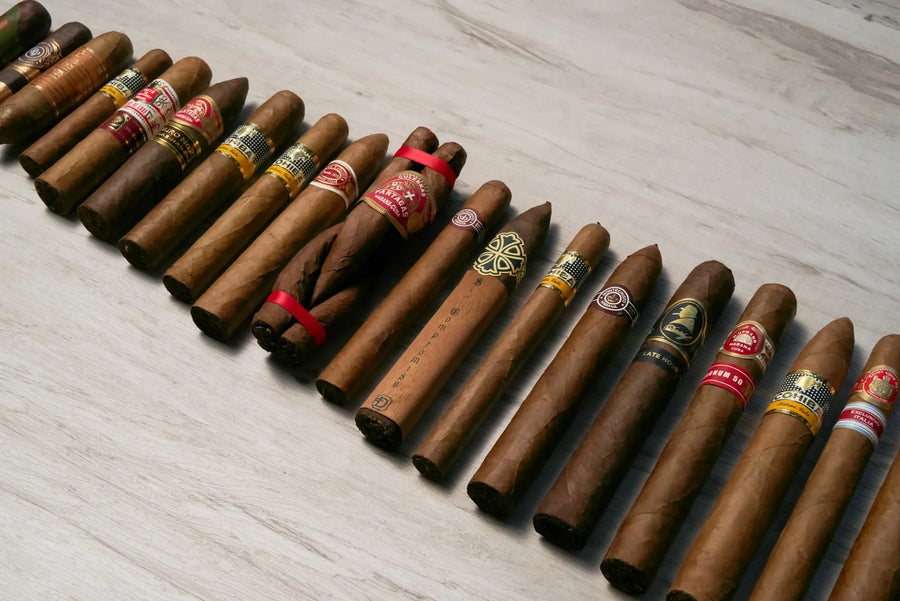
From unique flavor combinations to unconventional shapes and sizes, New World cigars showcase the industry's commitment to creativity, delighting cigar aficionados along the way. These developments give New World cigars a distinct style and character — bold designs in both blending and packaging, with far fewer of the constraints that shape more traditional production. That boldness is a big part of what entices cigar enthusiasts to try them.

Major Quality Improvements
New World countries have achieved incredible advances in tobacco farming and cigar manufacture, resulting in much higher cigar quality overall. Many of the Cuban blenders who fled Cuba in the early 1960s designed their New World cigars with the American palate specifically in mind.

With an unwavering dedication to improving every stage of production, these countries have invested in better tobacco crops, refined fermentation and aging techniques, and stricter quality control. Because New World cigars draw on a variety of tobacco types and origins, their blending and flavor profiles tend to be more diverse. Where Cuban cigars use only Cuban tobacco, New World blenders can combine leaf from several countries — giving them room for far more complex, varied taste profiles that appeal to a wider range of palates.
As a result, New World cigars now compete with Cuban cigars on quality and flavor, earning the respect and admiration of cigar connoisseurs around the world.
Meeting Modern Market Demand
The evolving preferences of cigar consumers have played a crucial role in the rise of New World cigars. Today's smokers seek cigars that suit their individual tastes, and New World cigars have risen to meet that demand. With a diverse range of flavor profiles, sizes, and shapes, there's a New World cigar for nearly every preference. Their availability across a wide range of price points also makes them accessible to a broader base of smokers — further fueling their popularity, especially as changes in regulation and trade have affected the availability of Cuban cigars in certain markets.
The meteoric rise of New World cigars is a testament to their unmatched flavors, innovative approaches, improved quality, and responsiveness to what modern smokers actually want. These factors have converged into a thriving industry that caters to the diverse tastes of cigar aficionados worldwide. As Nicaraguan, Dominican, and Honduran cigars continue to captivate smokers with their bold flavors and creative offerings, they've firmly established themselves as a force to be reckoned with in the ever-evolving world of cigars.
See What the Fuss Is About
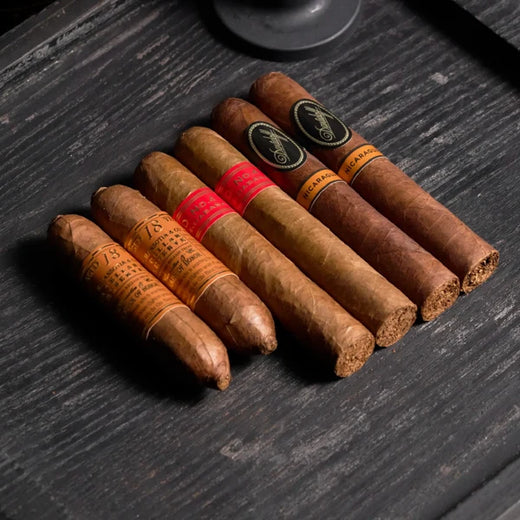
The best way to understand why New World cigars have taken off is to try one for yourself. Reach for the balanced, Honduran-made Illusione Epernay Le Matin, the bold, sun-grown Ashton VSG or creamy Davidoff Signature 2000 from the Dominican Republic, or the earthy My Father Le Bijou 1922 from Nicaragua, and hear what all the excitement is about firsthand.
Try New World Cigars
Nicaragua, Dominican & Honduras Picks
Prices change with availability, so check the current price on each product page.


Not Sure Where to Start?
Tell our Hong Kong team what you usually smoke, and we'll help you find a Nicaraguan, Dominican, or Honduran cigar to match.
WhatsApp Migratory StoryThis article is intended for readers of legal smoking age in Hong Kong (18 or above). Prices and product availability change without notice — always confirm the latest details on each linked product page before ordering. Migratory Story ships locally within Hong Kong, Mainland China, and Taiwan, and internationally via Hong Kong Post EMS.
Frequently Asked Questions
What exactly are "New World" cigars?
"New World" is the industry term for premium cigars made outside Cuba — chiefly in the Dominican Republic, Nicaragua, and Honduras. The category grew out of Cuban cigarmakers who relocated abroad after Cuba's tobacco industry was nationalized in 1960, bringing Cuban-seed tobacco and techniques with them.
Why did Cuban cigar makers move to Nicaragua, the Dominican Republic, and Honduras?
When Castro's government seized Cuba's cigar factories in 1960 and the U.S. later imposed its embargo, exiled Cuban cigarmakers needed new places to grow Cuban-seed tobacco outside Cuba. The Dominican Republic, Nicaragua, and Honduras offered suitable soil and climate, and over the following decades each built its own thriving cigar industry.
Are the Dominican Republic, Nicaragua, and Honduras all in Central America?
Not quite — Nicaragua and Honduras are Central American nations, while the Dominican Republic is a Caribbean nation on the island of Hispaniola. All three are grouped together commercially as "New World" cigar producers, but geographically only Nicaragua and Honduras are part of Central America.
What makes New World cigars different from Cuban cigars?
Cuban cigars use only Cuban-grown tobacco, while New World cigars often blend leaf from several countries, allowing for a wider, more experimental range of flavor profiles. New World producers have also pushed further on packaging, rolling techniques, and aging processes, giving the category a reputation for bold, creative releases.
Is Illusione a Honduran cigar?
Yes — the Illusione Epernay Le Matin is made in Honduras with a Nicaraguan Corojo Cafe Rosado wrapper, and is a good example of how New World blenders combine tobacco from more than one country in a single cigar.
Where can I buy New World cigars in Hong Kong?
Migratory Story carries Dominican, Nicaraguan, and Honduran cigars sourced through trusted channels and properly stored, alongside our Cuban selection. Orders ship across Hong Kong, Mainland China, and Taiwan.