



How to Cut a Cigar: Guillotine, V-Cutter and Punch
Quick Answer
Use a guillotine for tapered cigars — Torpedoes, Belicosos, any Figurado — and whenever you want the most open draw. Use a V-cutter on large ring gauge Parejos, where the wedge concentrates flavour without choking airflow. Use a punch on round-capped cigars above 40 ring gauge if you prefer a firmer, more deliberate draw. Whichever you reach for, do not cut past the cap's shoulder — that is what makes a wrapper unravel.
The cut shapes everything that follows: the draw, the temperature of the smoke, how concentrated the flavours read, and whether the wrapper holds together from first puff to last. The three cutters produce genuinely different experiences — not slight variations on the same thing — and knowing which to reach for is among the more useful skills a smoker can pick up.
“Most ruined cigars are not badly made. They are badly cut.”
The Guillotine (Straight Cut)
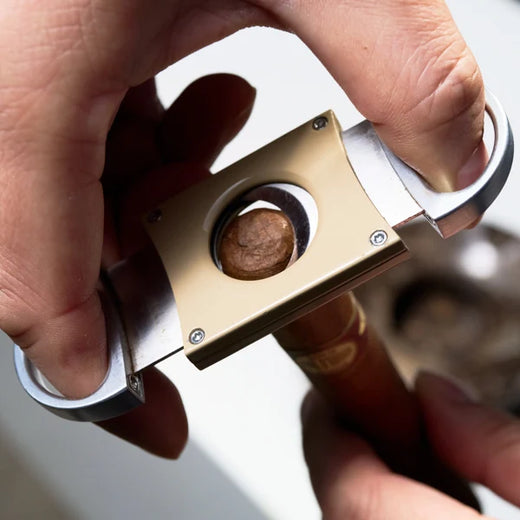
The guillotine is the most widely used cutter for good reason: versatile, forgiving, and it delivers the most open, unrestricted draw of the three. Slicing cleanly across the cap creates a wide surface area that lets air — and smoke — move freely through the filler. The result is a cool, effortless draw with no filtration between you and the blend.

Where the guillotine excels
It is the only reliable option for tapered cigars, where a pointed cap makes a punch useless and a V-cut too narrow. It also handles large ring gauges well, where airflow matters most.
What to watch for
Cutting too deep is the most common error by a wide margin. Go past the cap's shoulder and the wrapper can unravel within the first third. An overly generous opening also burns hotter than intended. A sharp blade is non-negotiable — a dull guillotine crushes the filler instead of slicing it.


The V-Cutter
The V-cutter carves a wedge-shaped notch — the "cat's eye" — into the cap rather than removing it. It has seen a real resurgence among experienced smokers, and the reason is geometric: the notch funnels smoke toward the centre of the draw, concentrating flavour in a way a flat cut does not. It also leaves most of the cap intact, which reduces the risk of unravelling. Draw resistance sits between the guillotine and the punch.

Where the V-cut excels
Larger ring gauge Parejos. The wider surface gives the notch enough tobacco to work with, so you get the flavour concentration without strangling airflow.
What to watch for
A hesitant or badly positioned cut splits the cap instead of carving it. On tapered shapes the V produces an unusually tight draw — stay with the guillotine. And the same concentration that flatters good tobacco will amplify bitterness in lesser leaf.

The Punch Cutter
The punch removes a small circular plug from the cap and leaves everything else untouched. It is the most restrictive of the three, and the most divisive. What it gives up in airflow it returns in convenience and intensity: punches are compact, often built into a lighter or keychain, and they carry almost no risk of damaging the wrapper. The narrow channel concentrates flavour considerably.

Where the punch excels
Round-capped Parejos above 40 ring gauge. Smokers who prefer a firmer, more deliberate draw tend to end up here and stay.
What to watch for
The restricted opening becomes a liability on oily cigars or in humid weather, where moisture from your lips can partially plug the channel — a real consideration in a Hong Kong summer. The tool itself needs cleaning; tobacco residue builds in the barrel and restricts airflow on its own. And it will not seat on a pointed cap, so never attempt it on a Torpedo.

Choosing the Right Cutter
It comes down to two things: the shape of the cigar, and how much draw resistance you actually want.
Parejos — straight-sided cigars
All three work. The guillotine gives the most open, classic draw. A V-cutter suits larger ring gauges, where the flavour concentration shows without choking airflow. A punch is right if you want a tighter, more focused draw and a tool that fits in a pocket.
Figurados — Torpedoes, Belicosos, tapered shapes
Guillotine. There is no workaround here: a V-cut runs too tight on a tapered shape, and a punch will not seat on a pointed cap at all.
Large ring gauges, 50 and above
Prioritise airflow. A guillotine, or a V-cutter with a wide aperture. Some smokers run a double punch on very large cigars, but the guillotine remains simpler and more reliable.
Small ring gauges
Precision matters more than opening size. A clean straight cut or a punch protects a delicate wrapper from cracking. Avoid anything that needs force or a wide notch.
| Cigar type | Recommended cutter | Why |
|---|---|---|
| Parejo, any gauge | Guillotine, V-cutter or punch | All three seat properly; choose by draw preference |
| Parejo, 50+ gauge | Guillotine or wide V-cutter | Airflow is the priority at this diameter |
| Parejo, small gauge | Punch or precise guillotine | Thin wrapper cracks under a wide notch |
| Figurado / Torpedo | Guillotine only | Punch cannot seat; V-cut draws too tight |
| Pigtail cap (e.g. Trinidad) | Twist off first, then guillotine | Cutting through the pigtail takes too much cap |
The Curator's Selection
Cutters Worth Owning
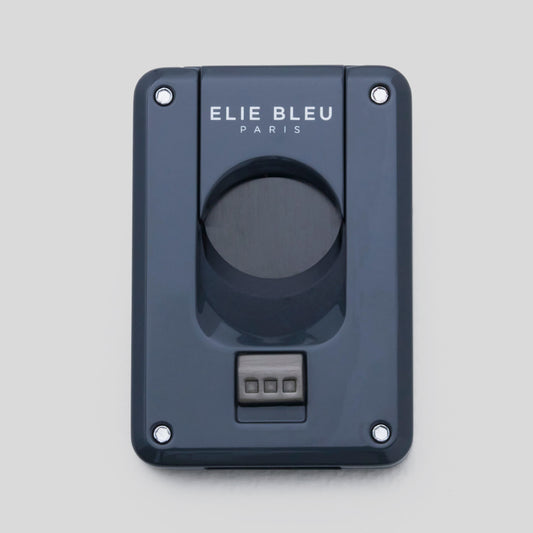
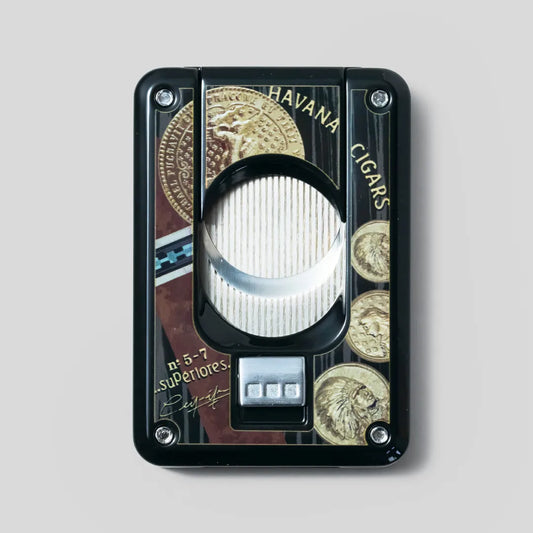
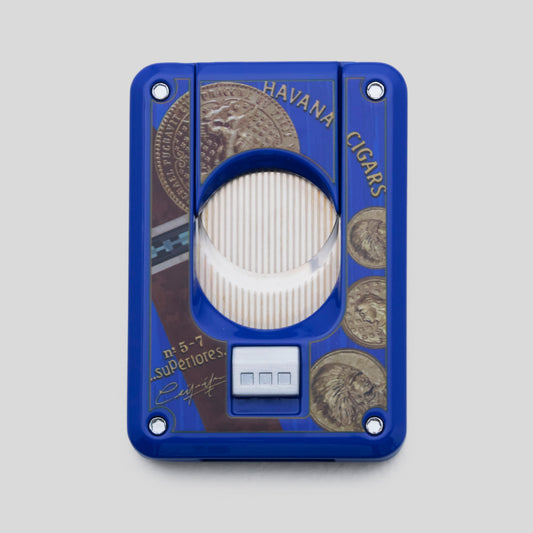
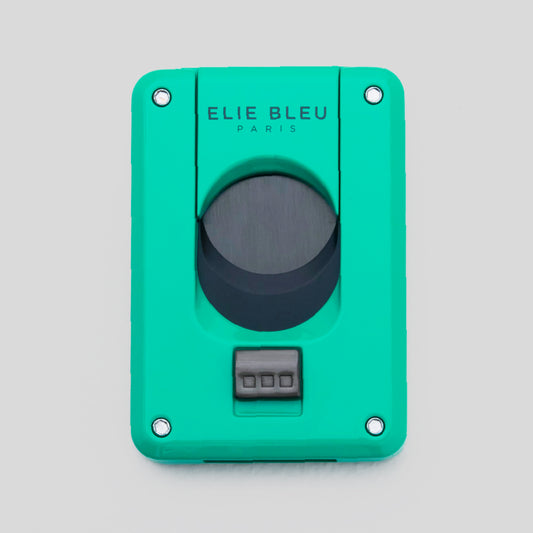
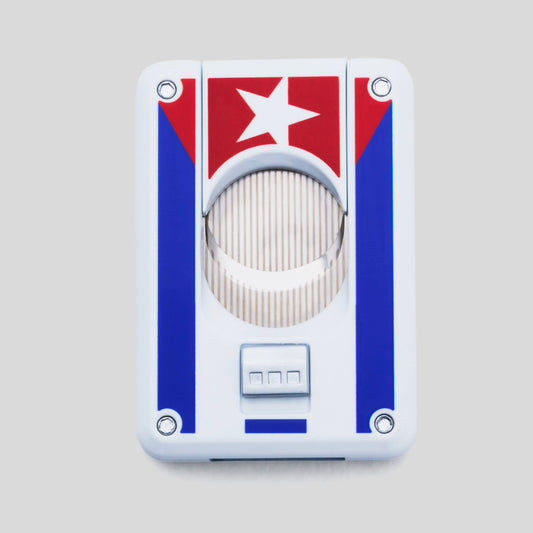
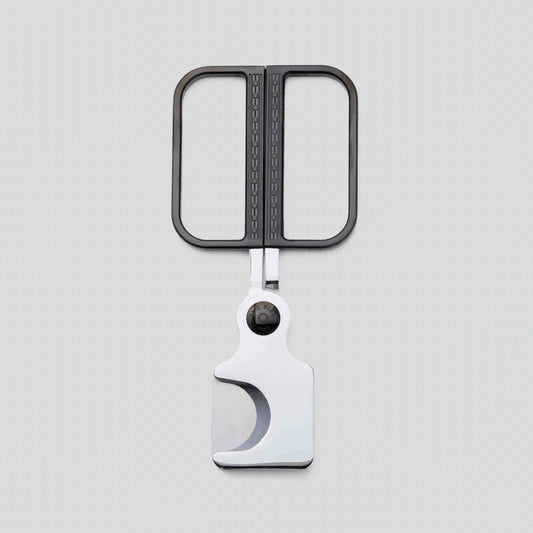
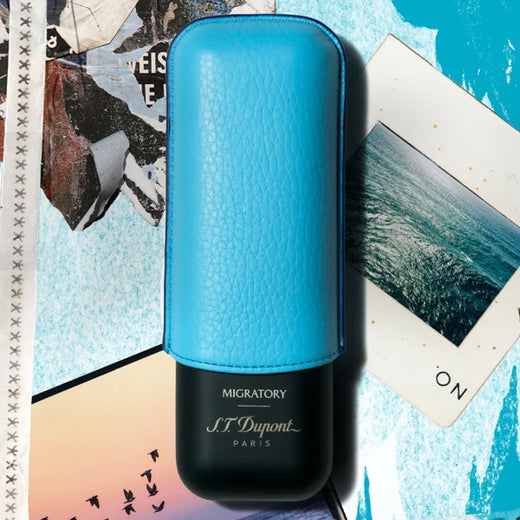
A sharp blade is the difference between a clean cut and a crushed one. Four we keep in stock — one for each way of opening a cigar.


Not Sure Which Cutter to Buy?
Tell us what you usually smoke — shape and ring gauge — and our team in Hong Kong will tell you which cut suits it, and which tool is worth the money.
WhatsApp Our SpecialistsFrequently Asked Questions
How deep should I cut a cigar?
Stop above the cap's shoulder — the line where the rounded cap meets the straight body of the cigar. On most ring gauges that means removing 2 to 3mm. Cut past the shoulder and there is nothing holding the wrapper in place, so it starts to unravel as you smoke.
Can I use a punch cutter on a Torpedo?
No. A punch cannot seat on a pointed cap. For Torpedoes, Belicosos and other tapered Figurados, a guillotine is the only reliable option.
What is the advantage of a V-cutter?
The wedge funnels smoke toward the centre of the draw, which concentrates flavour more than a flat cut does. It also leaves most of the cap intact, so the risk of unravelling drops considerably. The trade-off is that it amplifies bitterness as readily as it amplifies quality.
Which cutter is best for beginners?
A guillotine. It works on every shape, forgives an imperfect angle, and gives an open draw that lets you taste the cigar without wondering whether the tool is getting in the way. Add a V-cutter or punch later, once you know what draw resistance you actually prefer.
How do I cut a cigar with a pigtail cap?
Twist the pigtail off with your fingers first, then make a normal straight cut into the cap beneath it. Running a guillotine through the pigtail removes too much cap in one go. Trinidad and several Nicaraguan brands finish this way.
Why does my cigar unravel after cutting?
Almost always because the cut went too deep. Occasionally it is a dull blade crushing rather than slicing, or a cigar that has dried out below 65% relative humidity — in which case the wrapper was brittle before the blade touched it.