


Everything You Need to Know to Store Premium Cigars Like an Expert
A premium cigar isn't just a smoke. It's months — sometimes years — of cultivation, fermentation, and hand-rolling craft packed into a single vitola. But here's the truth most new collectors learn the hard way: the moment that cigar leaves the factory in Estelí, Nicaragua or the Vuelta Abajo valley in Cuba, it begins a slow battle against its environment. Your job is to win that battle on its behalf.
Knowing how to store premium cigars properly is the single most important skill any collector can develop. It's what separates a harsh, brittle, one-note smoke from the creamy, complex, layered experience the blender actually intended. Whether you're storing five sticks or five hundred, the principles don't change — only the scale does.
Not sure which storage setup is right for your collection size or Hong Kong living situation? Our team at Migratory Cigar is happy to point you in the right direction. Contact us at info@migratorycigar.com and we'll personally help you build the perfect setup.
Quick Answer — The Direct Truth About Cigar Storage
Cigars must be stored between 65–72% relative humidity (RH) and 65–70°F (18–21°C). The traditional "70/70 rule" (70°F / 70% RH) is still widely cited, but most modern aficionados now prefer the "65/65" standard for a firmer draw, cleaner burn, and lower mold risk — especially relevant in Hong Kong's notoriously humid subtropical climate. Your storage vessel, whether a traditional humidor, a Tupperdor, or an electric humidor refrigerator, must maintain these conditions consistently. Everything else in this guide is about achieving exactly that.


Why Hong Kong's Climate Is Your Cigar's Biggest Enemy
Before we talk about solutions, let's understand the problem. Tobacco was grown and rolled in environments averaging 75–85% ambient humidity with temperatures around 75°F. Your air-conditioned Hong Kong apartment? It's likely running at 45–55% RH indoors during winter months — and spiking above 85% outdoors during summer. That dramatic swing is precisely what damages cigars.
When relative humidity drops below 62%, the natural oils inside the tobacco leaf begin to evaporate. The wrapper dries, cracks, and unravels. The filler tobacco loses its elasticity. The result is a harsh, fast-burning smoke that delivers heat instead of flavor.
Conversely, when humidity climbs above 75%, you're creating a breeding ground for mold and potentially activating dormant tobacco beetle eggs — one of the most devastating things that can happen to a collection.
This is why passive, ambient storage simply doesn't work in Hong Kong. You need a controlled environment, and you need to understand the science behind it.
Choosing Your Storage: The Full Breakdown of Every Option
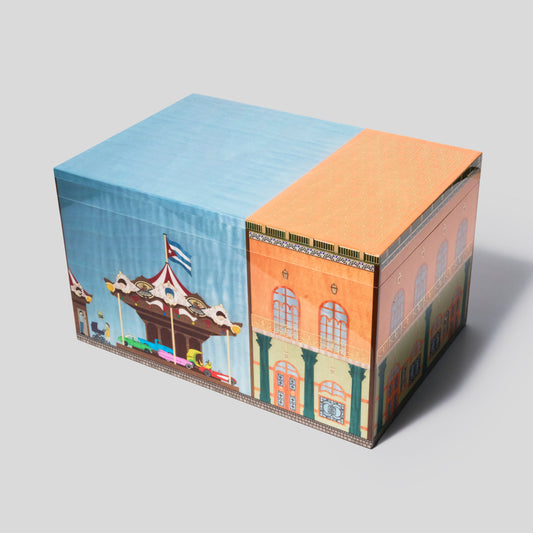
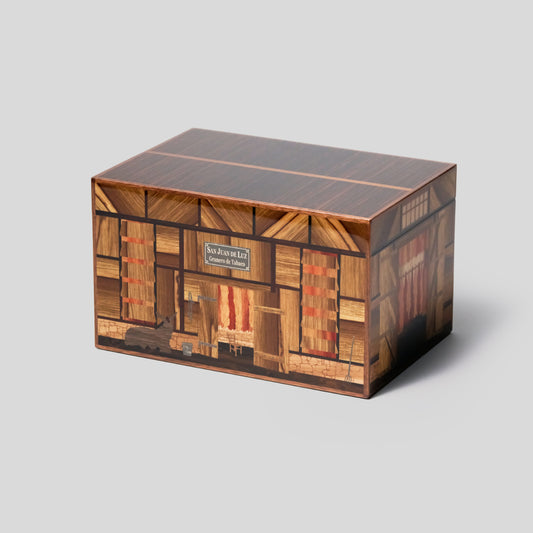
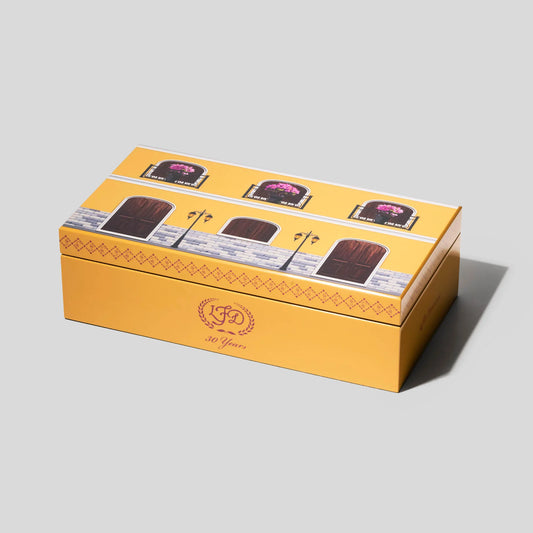
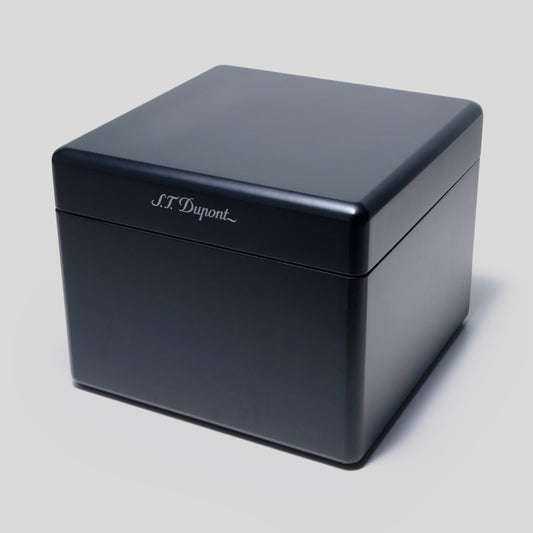
The Traditional Wooden Humidor — The Gold Standard, With Caveats
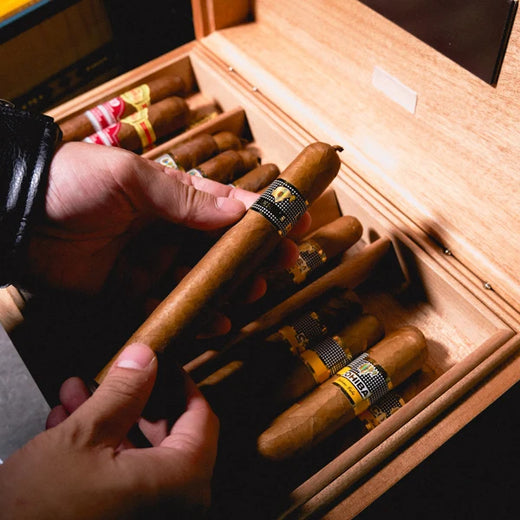
The classic humidor remains the most recognizable cigar storage solution, and for good reason. A quality humidor lined with Spanish Cedar (Cedrela odorata) does two critical things simultaneously: it naturally regulates moisture absorption and release, and it repels the larvae of Lasioderma serricorne, the tobacco beetle. That aromatic cedar scent isn't just pleasant — it's functional.
However, not all humidors are created equal. A cheap humidor with a poor lid seal is worse than no humidor at all, because it creates a false sense of security. When evaluating a traditional wooden humidor, press your hand flat against the open lid and close it slowly — you should feel a gentle resistance of air, like a subtle whoosh. If the lid simply drops shut with no resistance, the seal is inadequate.
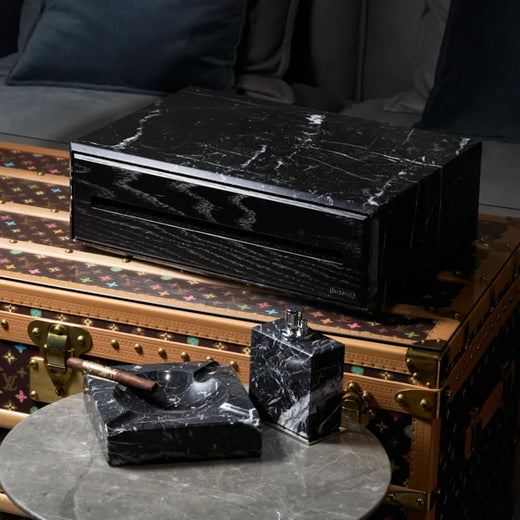
Desktop humidors typically hold 25–100 cigars and are ideal for the casual to moderate collector. Cabinet humidors scale to thousands of sticks. For most Hong Kong collectors working with limited apartment space, a quality mid-sized desktop humidor paired with precise humidification packs is the practical sweet spot.
The Tupperdor — The Underrated Champion of "Set and Forget" Storage
Here's something the traditional humidor community doesn't love to admit: An airtight Tupperdor setup, when done correctly, can outperform a poorly built wooden humidor every single time. Paired with Boveda relative humidity packs, it creates a near-perfect passive humidity environment.
Science is sound. Airtight containers don't leak humidity. Boveda packs — a two-way humidity control system — both add and absorb moisture to maintain a precise RH level. You place your cigars inside, seal it shut, and check back in a week. For someone living in a small Hong Kong flat with no room for a large humidor, a quality Tupperdor is not a compromise. It's a legitimate choice.
The one trade-off: no Spanish Cedar lining means you lose that subtle cedar character that traditionally aged cigars develop over time. Some collectors line the inside of their Tupperdor with Spanish cedar sheets to address this — an easy and inexpensive upgrade.
The Coolidor — When Your Collection Outgrows Everything Else
A Coolidor, or cooler humidor conversion, is exactly what it sounds like: a large camping cooler repurposed as a bulk cigar storage unit. High-quality coolers are already designed with superior insulation and near-airtight seals — characteristics that happen to be perfect for cigar conditioning on a large scale.
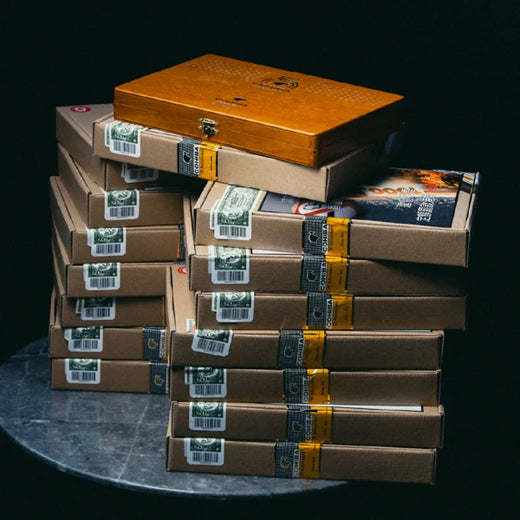
A well-set-up Coolidor using Boveda packs can hold hundreds of boxes, maintain rock-solid humidity, and cost a fraction of a cabinet humidor. Serious collectors who buy cigars by the box and age them for years swear by this method. If you're considering stocking up with our Value Cigar Bundles for long-term aging, a Coolidor is the smartest storage investment you can make.
The Electric Humidor (Wineador) — Climate Control for Hong Kong Summers
In 2026, with Hong Kong summers pushing indoor temperatures above 28°C even with air conditioning, the electric humidor — often a repurposed wine cooler — has become the most discussed option among serious collectors. An electric humidor combines active temperature control with humidity management, giving you both variables locked simultaneously.
The thermal stability it provides is not a luxury — it's a necessity for anyone serious about long-term aging. Tobacco beetles activate at temperatures above 72°F (22°C), and a single infestation can devastate an entire collection within weeks. For large collections in Hong Kong's climate, an electric wineador setup is arguably the most responsible investment a collector can make. Explore our full range of Cigar Accessories HK to find precision hygrometers and humidification systems compatible with wineador setups.
Travel Humidors — Aging on the Go, Without Compromise
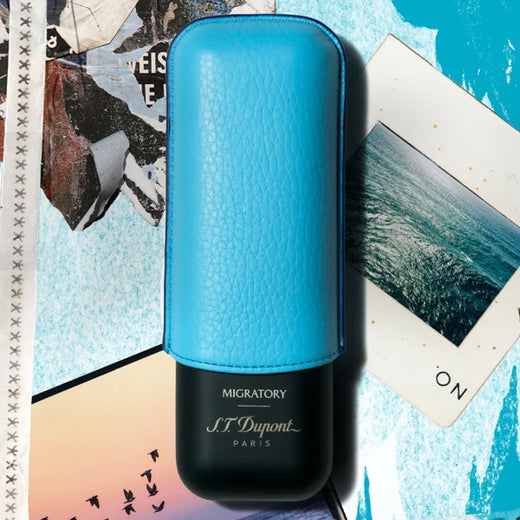
A travel humidor isn't just for protecting cigars in transit — seasoned collectors use them as staging areas for aging on the go. Quality travel humidors with Spanish cedar lining and a tight seal allow you to bring three to five sticks to any location while maintaining optimal vitola storage conditions for the duration of your journey. When selecting one, look for a crush-proof exterior, a reliable magnetic seal, and enough interior depth to accommodate larger ring gauges.

The Science of Humidity: Getting the Numbers Right
Digital vs. Analog Hygrometer Calibration
This distinction matters more than most beginners realize. Analog hygrometers, while aesthetically beautiful in a traditional humidor, are notoriously inaccurate — often reading 5–10% higher or lower than actual RH. A digital hygrometer gives you a precise real-time reading and is essential for serious collection management.
All hygrometers — digital or analog — should be calibrated using the salt test before first use. Place a small dish of table salt dampened with water (not soaking) inside an airtight bag or container alongside your hygrometer for 8–12 hours. At equilibrium, a correctly calibrated hygrometer should read exactly 75% RH. If it reads differently, note the variance and apply it as a correction factor to all future readings. A hygrometer reading 72% but calibrated 3% low means your actual RH is 69% — which is perfect.
Distilled Water vs. Propylene Glycol Solution
If you're using a traditional sponge humidifier or floral foam humidification system (common in older desktop humidors), your choice of solution matters. Distilled water is pure, clean, and free of the minerals that can deposit inside your humidifier and encourage mold growth. Tap water introduces calcium, chlorine, and other contaminants — never use it.
Propylene Glycol solution (typically sold as a 50/50 mix) adds a hygroscopic buffer that naturally prevents the humidifier from releasing humidity above approximately 70% RH. It's a useful passive regulator in traditional systems, though modern Boveda packs have largely replaced the need for it in contemporary setups.
Seasoning a New Humidor: The 14-Day Method That Protects Your Investment
Skipping the seasoning process is the single most common mistake new humidor owners make. Here's why it matters: Spanish cedar is a porous, hygroscopic wood. A brand new, unseasoned humidor will aggressively absorb moisture from your cigars — potentially drying them out within days until the wood reaches equilibrium. Seasoning pre-saturates the wood so it doesn't steal from your sticks.
The correct method is patience-based. Do not wipe a soaking wet cloth directly onto the cedar, this causes warping and can permanently damage a fine humidor. Instead, fill a small dish with distilled water and place it inside the closed humidor. Separately, place a new Boveda 84% RH seasoning pack inside as well. Close the lid and leave it undisturbed for 14 days. Check your hygrometer on day 7. By day 14, the interior wood should have absorbed enough moisture to stabilize at your target RH without drawing anything from your cigars. Only then is it ready.


Tobacco Beetle Prevention and Treatment — The Threat Most Guides Ignore
The tobacco beetle (Lasioderma serricorne) is one of the most destructive pests in cigar storage, and it's a topic most beginner guides gloss over. These microscopic beetles lay dormant eggs inside tobacco leaves during the rolling process — entirely undetectable and present in virtually all premium cigars to some degree. The eggs hatch only when temperatures exceed 72°F (22°C) combined with high humidity.
Once hatched, the larvae tunnel through cigars leaving small, perfectly round pinholes. A full infestation can destroy a box within days and spread to your entire collection. Prevention is straightforward: keep temperatures below 70°F consistently.
If you discover pinholes, quarantine affected cigars immediately, inspect the entire collection, and freeze unaffected cigars for 72 hours (in three stages — room temperature to freezer, freezer to refrigerator, refrigerator to room temperature) to kill any remaining eggs before returning them to your humidor.
This is precisely why the temperature control of an electric humidor is so valuable in Hong Kong's climate, not just a luxury feature.
Plume vs. Mold: A Visual Diagnostic Every Collector Must Know
Plume (Bloom) — The Good Sign
Plume, also called bloom, appears as a fine, powdery white dusting on the surface of a cigar's wrapper. It forms when the natural oils inside aged tobacco crystallize and migrate to the surface — a sign of proper aging and healthy tobacco moisture retention. It wipes off cleanly with a soft, dry cloth and has a faint, pleasant tobacco aroma. Plume is not a problem. It's a trophy.
Mold — Act Immediately
Mold, by contrast, appears as fuzzy green, blue, or grey patches that are raised and irregular in shape. It has a musty, damp smell completely unlike tobacco. It does not wipe off cleanly — it smears. Any cigar showing genuine mold growth should be removed from your collection immediately to prevent spread. Mold is almost always caused by humidity above 75% combined with poor airflow. If you discover mold, check your humidification system, reduce RH to 65%, and air out the humidor for 24 hours before restocking.


Rehydrating Dried-Out Cigars: The Slow Recovery Method
Here's the scenario — you inherited a box of cigars from someone who didn't know better, or you forgot to refill your humidifier for two months. The cigars are cracking, the wrappers are flaking, and the draw is impossibly tight. Are they ruined? Not necessarily.
The key word is slow. Never place a bone-dry cigar directly into a fully humidified environment. The dramatic shift in moisture causes the wrapper — which dries and contracts faster than the filler — to expand at a different rate than the interior tobacco. The result is cracked and split wrappers, permanently damaged.
Instead, place the dry cigars into a humidor set to 62% RH for one week. Then gradually increase to 65%, then 68%, over the following three weeks. The total recovery process for severely dried cigars can take four to six weeks. Patience is the method.
Most cigars can be brought back from the brink this way, though some wrapper cracking may be permanent. Prevention through consistent tobacco moisture retention is, of course, always the better answer.
The Aficionado's Edge: Aging, Cellophane, and Flavor Management
The Cellophane Debate — Solved
This is one of the most debated topics in cigar storage, and the answer depends on your goals. Cellophane preserves physical protection — it's ideal for cigars you're transporting, gifting, or storing short-term. Cellophane off allows the cigar to breathe fully, absorb humidity more evenly, and engage in what collectors call "flavor marriage" — the subtle cross-pollination of aromatic compounds between different cigars stored together.
Long-term aging experts overwhelmingly remove cellophane for collections intended to rest for 12 months or more.
The compromise many collectors use: keep the cellophane on new arrivals for the first 30-day resting period after purchase, then remove it for long-term aging.
Separating Infused and Flavored Cigars
This rule is non-negotiable. Infused or flavored cigars — those intentionally treated with vanilla, rum, cognac, or other aromatic additives — release volatile aromatic compounds that will absolutely leach into neighboring cigars over time.
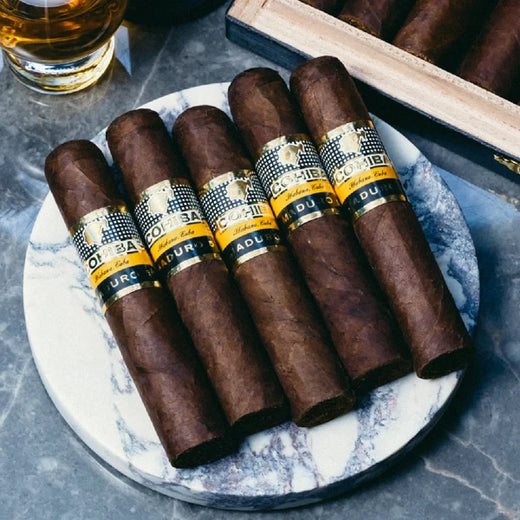
Storing an infused cigar alongside your premium New World blends or an Authentic Cohiba is a slow way to ruin both. Keep flavored cigars in a dedicated, entirely separate storage unit.
For a deeper look at protecting your premium Cuban blends' flavor integrity, explore our Cigar Hong Kong Collections.
The Resting Period After Purchase — Don't Skip This
Cigars that have just arrived — whether delivered to your door or carried home from your favorite cigar shopping destination in Hong Kong — are stressed. They've been transported across temperature and humidity gradients, handled, and potentially exposed to sub-optimal conditions.
Every serious collector allows a resting period of two to four weeks before smoking a new acquisition.
During this time, the tobacco normalizes its moisture content evenly throughout the bunch and wrapper. Essential oils redistribute. Any travel-related harshness dissipates. The resting period is why a cigar from a reputable, well-maintained collection consistently smokes better than the same cigar purchased and lit immediately — even if it's the same blend from the same box.
Rotating Your Stock and Managing Airflow
Humidors, especially larger ones, develop moisture gradients — areas closer to the humidification source are slightly more humid than corners farther away. Over time, this creates uneven conditioning across your collection. Rotating your cigars every four to six weeks — moving top-row sticks to the bottom, back to front — ensures every cigar receives equal humidity exposure. It's a small habit that makes a meaningful difference in collection consistency.


Storage Comparison at a Glance
| Storage Type | Humidity Control | Temp Control | Best For | Approx. Cost |
|---|---|---|---|---|
| Traditional Humidor | Good (with packs) | None | Small–mid collections | $80–$500+ |
| Tupperdor | Excellent (airtight) | None | Budget-conscious collectors | $20–$60 |
| Coolidor | Excellent (airtight) | None | Bulk aging (50+ boxes) | $40–$120 |
| Electric Wineador | Excellent | Active (critical in HK) | Serious/large collections | $200–$800+ |
| Travel Humidor | Good | None | Transit, short-term | $30–$150 |
Not sure which setup fits your space and collection size? Our team in Hong Kong has helped hundreds of collectors choose the right solution — and we'll do the same for you.
Humidor Seasoning Checklist
- New Spanish Cedar humidor, fully assembled
- Digital hygrometer calibrated using the salt test
- Small dish of distilled water placed inside (not touching wood directly)
- One Boveda 84% RH seasoning pack placed inside
- Lid closed — do not open for 7 days
- Check RH at day 7 — target is 80–84% during seasoning
- Leave for full 14 days before adding any cigars
- After seasoning, switch to your target RH pack (65% or 69%)
- Add cigars only after hygrometer stabilizes at target RH for 48 hours


Critical Mistakes That Are Quietly Killing Your Collection
- Using tap water in your humidifier. Minerals accumulate, mold follows. Always distilled water only.
- Overpacking the humidor. Cigars need airflow. A humidor stuffed to 120% capacity creates moisture pockets and uneven conditioning. Fill to 80% maximum.
- Never calibrate your hygrometer. If you're trusting an uncalibrated analog hygrometer, you may be operating at 78% RH while believing you're at 70%. This is how mold appears and bewilders collectors.
- Storing near sunlight or HVAC vents. Both cause temperature swings that stress your cigars and, in the case of heat vents, can push temperatures above the tobacco beetle danger threshold.
- Mixing infused cigars with your premium collection. Even briefly. The flavor leaching between different cigar brands happens faster than most collectors expect — as little as two weeks of contact is enough to noticeably alter a delicate wrapper's aroma profile.
- Lighting a cigar immediately after purchase. The resting period exists for a reason. Give your investment time to settle.
Troubleshooting: When Things Go Wrong
"My humidity is too high — above 75% and climbing."
Open the humidor lid for 30–60 minutes to allow moisture to escape. Remove or replace your humidification source with a lower-RH Boveda pack (62% or 65%). Check for any source of liquid contact with the wood. If using a sponge-type humidifier, it may be over-saturated.
"My humidity dropped below 60% suddenly."
Your humidification source is depleted — replace or recharge your Boveda packs or refill your humidifier with distilled water. Check the lid seal for gaps. Consider whether recent Hong Kong weather has been unusually dry.
"I found small round holes in two cigars."
Quarantine those cigars and every cigar from the same box immediately. Inspect the entire collection for additional pinhole damage. If you find more than isolated cases, proceed with the freeze method. Check and reduce your storage temperature below 70°F consistently.
"My cigar has a white powder on the wrapper."
Gently touch it — does it wipe off cleanly and smell like tobacco? That's the plume. Leave it alone, it's a good sign. Does it smear, feel fuzzy, or smell musty? That's mold. Remove and discard immediately.
"My hygrometer reads differently than my Boveda pack's labeled RH."
Calibrate your hygrometer using the salt test. Boveda packs are pre-calibrated by the manufacturer — if your hygrometer consistently reads lower or higher, it's the hygrometer, not the pack, that needs adjustment.


The Buyer's Compass: What to Look for in Storage Gear
When investing in cigar storage equipment, prioritize in this order: seal quality first, material second, aesthetics third. A beautiful humidor with a poor seal is an expensive disappointment.
Before buying any wooden humidor, research whether the brand uses kiln-dried Spanish cedar or a cheaper alternative wood with cedar veneer — only the former provides genuine humidity regulation and pest deterrence.
For humidification, Boveda relative humidity packs remain the most reliable two-way humidity control solution available today. They require no maintenance, no refilling, and no calibration — simply replace every 2–3 months or when the pack becomes fully rigid.
For hygrometers, brands like Caliber IV and Western Humidor digital models offer the accuracy that serious collectors require. Avoid combination humidity/temperature analog gauges in budget humidors.
Explore our full selection of Precision Cigar Accessories, including digital hygrometers and Boveda humidification systems, to ensure your collection stays at its peak.
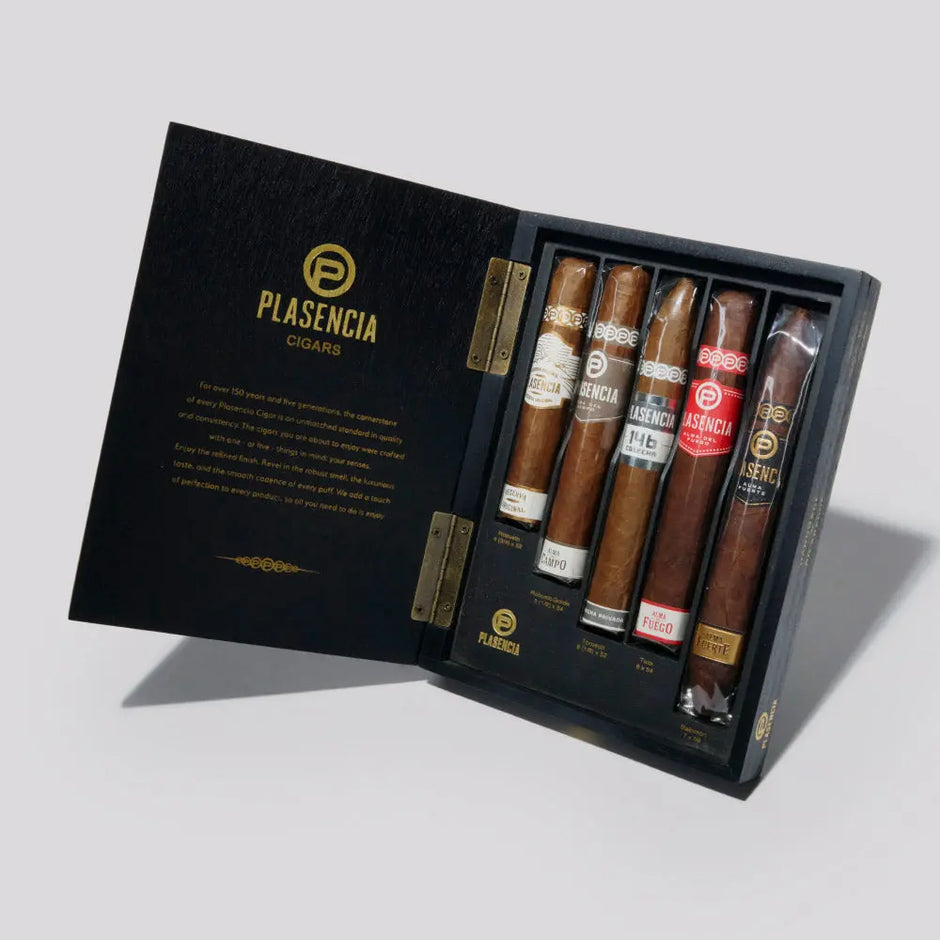
And if you're just beginning to build your collection and want to test your newly seasoned humidor before committing to premium inventory, our 5-Stick Sampler Sets are the perfect, low-risk way to start.
Frequently Asked Questions
Can you store cigars in a Ziploc bag?
Short-term, yes — 24 to 48 hours in an emergency with a small Boveda pack won't cause significant damage. Long-term, no. Ziploc bags are not airtight enough for sustained cigar conditioning and provide zero protection against temperature swings or tobacco beetle risk.
What is the best humidor for dry climates — or dry seasons in Hong Kong?
Airtight setups outperform traditional wooden humidors in dry conditions. A Tupperdor or Coolidor with Boveda 69% packs maintains RH far more effectively than a wooden humidor when ambient humidity is very low, as the airtight seal prevents moisture from escaping into the surrounding air.
How do I fix a leaky humidor seal?
If your humidor seal has warped or shrunk, a thin strip of self-adhesive foam weatherstripping along the inner lid edge is a cost-effective solution. Alternatively, contact the manufacturer — most quality humidors offer replacement gasket seals. For persistent leaking, consider transitioning to an airtight Tupperdor while you resolve the issue.
Cuban vs. New World cigars — do they need different humidity levels?
Yes, subtly. Habanos (Cuban cigars) are generally pressed more firmly and respond best to slightly lower RH — between 62% and 65%. New World cigars from Nicaragua, Honduras, and the Dominican Republic tend to be rolled at slightly higher humidity and often perform well between 65% and 69%. If you're storing both, 65% is a reliable middle-ground target. For guidance on our Cuban selection, explore our Big Seven of Cuban Cigars.
Should I age cigars with cellophane on or off?
Off, for long-term aging of 12 months or more. On, for short-term storage and physical protection during the initial resting period. See the Cellophane section above for full detail.
How long does it take to rehydrate a dried-out cigar?
Four to six weeks using the slow recovery method. Rushing the process causes wrapper splitting. If the damage is severe, some structural cracks may be permanent, but the smoking quality can still be largely recovered.
Is there a risk of flavor leaching between different cigar brands?
Yes, over time — particularly if cigars share direct contact without cellophane. The strongest-aromatic tobaccos will influence milder wrappers. Separate your blends using cedar dividers if you're storing multiple brands in the same humidor without cellophane.
The Conclusion: Storage Is Where the Experience Begins
Every extraordinary draw — the creamy, layered complexity you taste in a perfectly conditioned Cohiba, the peppery transition a Nicaraguan puro delivers at its midpoint, the long, clean finish of a well-aged Connecticut wrapper — all of it depends on what happened before you ever picked up a cutter.
Knowing how to store premium cigars properly is not a secondary skill. It is the foundation of every great cigar experience. The difference between a $5 smoke and a $50 smoke isn't always the cigar. Sometimes it's entirely the storage.
Give your collection the environment it was crafted for, and every cigar you light will reward you with the experience the blender intended.
Once your humidor is seasoned and stable, explore our Authentic Cohiba Collection to fill it with something truly worth protecting.

Ready to Build the Perfect Setup? Let's Talk.
The right storage solution depends on your collection size, your Hong Kong living space, your budget, and how serious you are about aging. There's no single right answer — but there is a right answer for you, and our team knows how to find it.
📧 Email us directly: info@migratorycigar.com
🕐 Support Hours: Monday – Friday | 10AM – 6PM (Excluding HK Public Holidays)
Whether you're building your first humidor setup, upgrading to an electric wineador, or looking for the perfect cigars to stock your newly seasoned collection — we're here, and we're genuinely glad to help. Hong Kong's premier cigar shopping destination is one message away.
Explore our Special Offers — because a great collection deserves a great deal.